English




 Accessories

Fashion Tips
Color Play: Matching Accessories Without Overdoing It
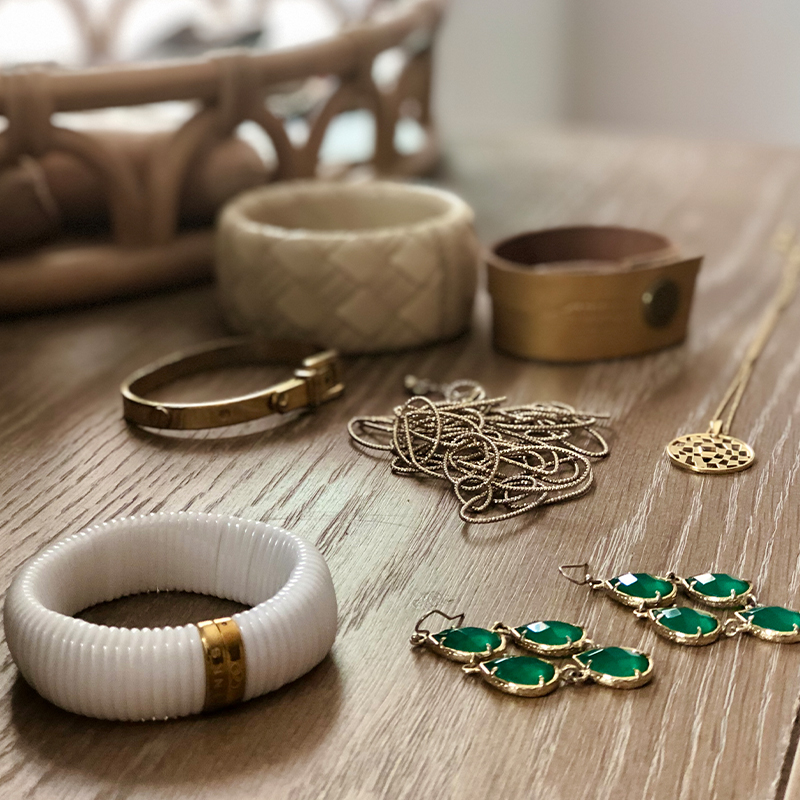
Accessories have the power to make or break an outfit. A well-chosen ring, pair of sunglasses, or a sleek shoe can elevate a look, while mismatched colors can feel chaotic. Mastering the art of color coordination is essential for anyone who wants to look effortlessly stylish without appearing overdone. The key lies in understanding balance, contrast, and subtlety.
Start by considering your outfit as a whole. Neutral clothing provides a versatile canvas for bolder accessory choices. Shades like beige, black, gray, or white allow you to experiment with color in rings, gloves, shoes, or sunglasses without clashing. On the other hand, if your outfit features vibrant hues, it’s best to tone down accessory colors to maintain harmony. A single bold accessory can highlight your personal style, while multiple strong colors might compete for attention.
One effective approach is the color wheel method. Colors opposite each other on the wheel, known as complementary colors, create a visually pleasing contrast. For example, a muted blue outfit can be enhanced with burnt orange or copper-toned accessories. These combinations create depth and interest while keeping the ensemble cohesive. Similarly, analogous colors, which sit next to each other on the wheel, provide a more subtle, blended effect. Pairing shades of green and yellow-green in accessories adds harmony without overwhelming the eye.
Another principle to consider is proportion and placement. Large accessories in bright colors draw immediate attention, so balance them with smaller, muted pieces elsewhere. A pair of bold sunglasses may pair well with understated shoes and rings, creating a focal point without overcomplicating the look. Conversely, if gloves or shoes are the statement pieces, it’s wise to keep other accessories minimal and in complementary tones.
Metallics and neutrals are also powerful tools for color coordination. Silver, gold, and bronze can act as bridges between different colors, tying together rings, watches, and belts with various outfits. A bronze-toned ring, for instance, can harmonize with earthy-toned shoes, creating a unified aesthetic. Similarly, black, white, and beige accessories often act as stabilizers, allowing brighter pieces to shine without overwhelming the outfit.
Textures play a subtle but important role in how colors are perceived. Matte finishes absorb light and provide a subdued effect, while glossy or reflective surfaces enhance brightness. Combining a matte-finished glove with a glossy pair of sunglasses in the same color family can add visual interest while maintaining balance. This technique allows for more adventurous color experimentation without crossing into overdone territory.
Layering accessories can further enhance your style, but only when done thoughtfully. The key is to limit the palette to two or three main colors and vary tones, rather than introducing completely new shades with each piece. For instance, a deep burgundy shoe paired with a lighter maroon ring and a warm-toned handbag creates dimension while staying cohesive. Repetition of color in small doses draws the eye naturally and establishes visual continuity throughout the outfit.
Personal style and confidence are equally important. While rules and principles guide color coordination, individuality defines success. Experimentation helps discover combinations that reflect your personality. Start with subtle adjustments - matching a ring to a shoe or a glove to a handbag - and gradually explore bolder pairings. Over time, you will intuitively understand which colors work well together, creating a sense of effortless style.
Finally, simplicity is often the most effective strategy. It’s better to highlight one or two accessories with carefully chosen colors than to overload your outfit with multiple clashing pieces. Well-coordinated accessories act as accents rather than competitors. When chosen with attention to contrast, complement, and proportion, they enhance your look and convey a polished, thoughtful aesthetic.
In conclusion, mastering color play in accessories requires balance, awareness, and a touch of creativity. Neutral outfits, color wheel principles, strategic placement, metallic accents, texture contrasts, and thoughtful layering all contribute to a harmonious look. By keeping the palette limited and focusing on key statement pieces, anyone can wear rings, sunglasses, gloves, and shoes with confidence and sophistication. The art of accessorizing lies in subtlety and intentionality - less truly is more when executed correctly.
Categories
-
 Sunglasses
10
Sunglasses
10
-
 Belts
25
Belts
25
-
 Handbags and Wallets
25
Handbags and Wallets
25
-
 Footwear
25
Footwear
25
Trending Now
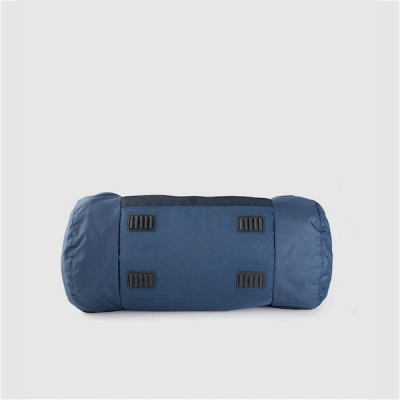
Unisex Navy Blue Duffel Bag
Rs.951.00
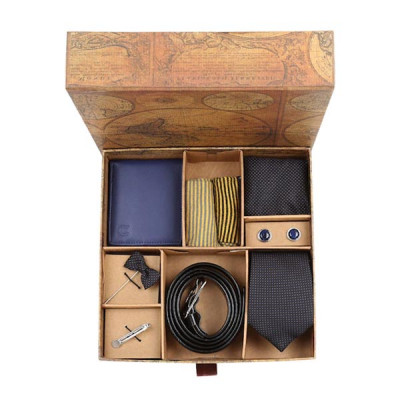
Men Blue Printed Accessory Gift Set
Rs.1,889.00
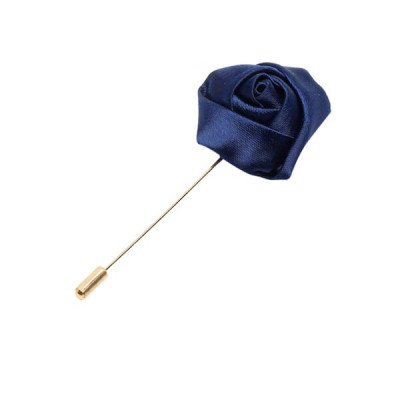
Men Printed Italian Silk Accessory Gift Set
Rs.1,349.00